
 Image 1 of 2
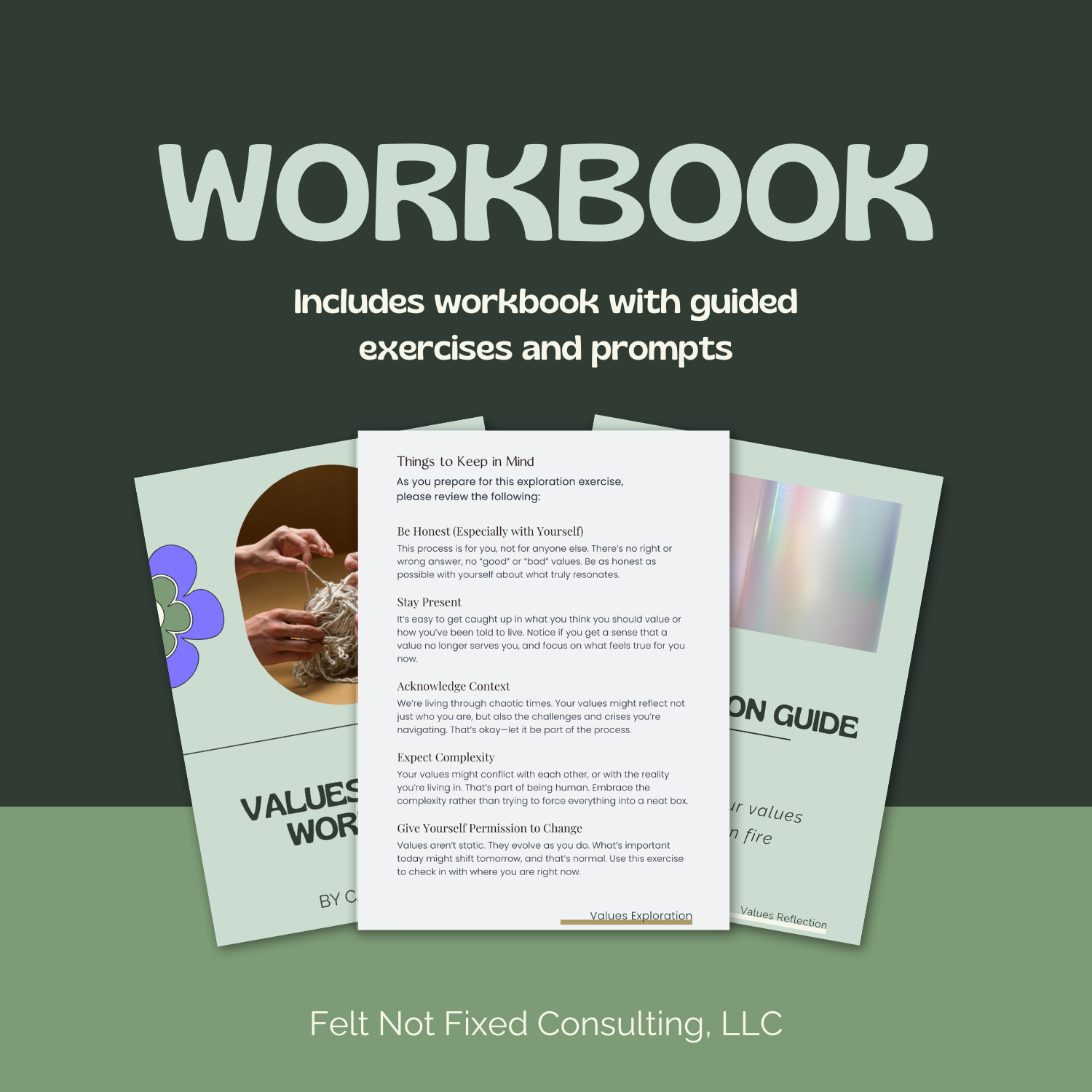 Image 2 of 2
for people who know their values and want to practice living them in relationship
Navigate values-based conflict, stay connected across difference, and build capacity for solidarity without abandoning yourself.
This cohort is for you if:
You know what matters to you but struggle to live it when it gets hard
You're dealing with community fragmentation or values-based conflict
You want to practice staying in relationship when values diverge
You need space to build skills for conflict, repair, and holding difference
Recommended: Complete Values Clarity Cohort first or have done values work elsewhere
Next cohort: TBD 2027
Meets: Saturdays, 10:30am - 12pm Pacific
Investment: $660-$1,100 (~$66-$100/hour) sliding scale
-
How to navigate conflict when your values clash with someone else's
Staying in relationship across difference without flattening your values or theirs
Building capacity for repair when values-based ruptures happen
What solidarity actually looks like beyond performing it
Noticing when you abandon yourself to avoid conflict, and practicing something different
Working through the tension between your values and what's actually sustainable
Staying grounded in your values when you're isolated or swimming upstream
-
1:1 welcome session (60min; before the cohort starts)
6 weekly 90-minute group sessions via Zoom
1:1 integration session (60min; after the cohort ends)
ongoing access to private community space for connection between sessions
option to continue in an ongoing support/accountability group for cohort graduates
option to add 1:1 coaching sessions at standard rate if you want additional support
the Values Clarity Workbook (digital, fillable or printable)
-
All cohort experiences include a 1-hour orientation at least a week prior to the first group meeting, and a 1-hour integration following the cohort experience. This, combined with six 90-minute group meetings, means you get 11 hours of focused group values work.
cohort pricing information
payment plans
Pay in full or choose monthly installments at checkout. Payment plans (3-4 months) through Stripe, Klarna, and Affirm.
sliding scale pricing
This cohort uses a sliding scale based on financial access. Choose the price that reflects your current capacity. If you can pay more, it helps sustain the work and makes space for those who need the lower tier.
-
This tier is for those who have access to income but:
Are a gig or seasonal worker, or have sporadic employment
Can afford necessities and extras (treats, drinks, take-out, events, etc.)
Can't afford a higher tier but do not face the same barriers as those needing scholarship slots.
-
This tier is the cost of this service in the absence of a sliding scale.
For those who may:
Make minimum wage, are self-employed, or have had a good pay period
Have access to financial support (savings, family members, partners, etc.)
Be able to pay rent and bills consistently
-
Booking this tier helps create scholarship slots.
For those who may:
Own a vehicle or property
Have employee benefits
Travel
Occasionally contribute to a savings account
Value participating in mutual aid
Come from privilege (including whiteness)